
philanthropy / 2026-10-15
Drought Resilience Begins Before the River Runs Low
New UNEP guidance highlights watershed restoration and community planning as practical ways to prepare for drought, backed by WMO’s assessment of a disrupted global water cycle.
Drought can gather strength long before it becomes an emergency at the tap. In guidance highlighted on October 14, 2026, the United Nations Environment Programme makes the case for preparing across whole landscapes: protect soils and vegetation, restore freshwater systems and plan water use with the people who depend on it.
The warning has a measured scientific backdrop. WMO’s State of Global Water Resources 2025 report, released September 17, describes one of the driest years for global river discharge in 35 years. It also reports a decade-long decline in water stored on land and increasingly irregular river flows. These are findings about 2025 and longer trends, not a declaration that every river is currently in drought.
UNEP’s October guidance points to ways communities can reduce vulnerability. Sri Lanka’s interconnected tank systems collect and redistribute rainwater. Restoration in South Africa’s Eastern Cape uses locally appropriate vegetation to help recover degraded land. The examples illustrate an approach rather than a universal recipe: effective restoration depends on the landscape, water demand and local knowledge.
A current UNEP-European Commission project puts watershed planning into practice in Brazil and India. Its official project description identifies the Araguaia-Tocantins and Ramganga basins and emphasizes consultation with governments, enterprises, and local and Indigenous communities. The project runs from March 2024 to August 2027. Plans and ongoing activities should be judged separately from outcomes that have yet to be demonstrated.
Readers can help turn the idea into sustained work. UNEP identifies WWF-India as the implementing partner in India. WWF-India’s official water-conservation giving page offers a contribution route, while making clear that donation options are indicative and funds may be used where conservation needs are greatest. A gift there should not be described as automatically earmarked for the Ramganga project.
For people seeking a role closer to home, the UN Decade on Ecosystem Restoration Hub lists initiatives and opportunities to support or volunteer. Its guidance allows supporters to explore without creating an account. Choose projects that explain community participation and how progress will be monitored. The useful goal is lasting recovery of ecological function and water security, with local people involved in the decisions.
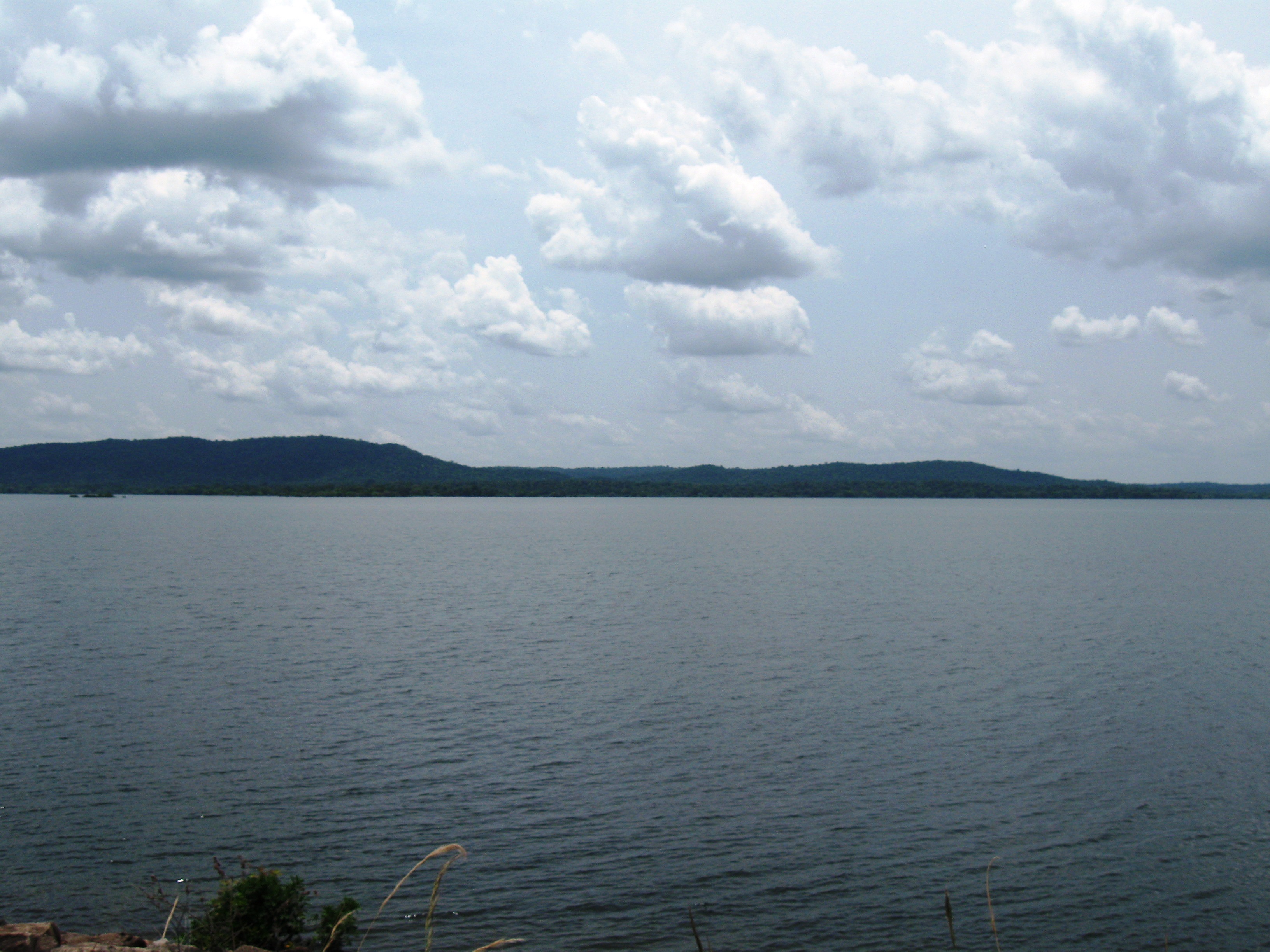
Featured image: Kantalai Tank in Sri Lanka, photographed in May 2015. It offers context for the country’s reservoir landscapes and does not document a particular project’s restoration results or current water levels.
Take action
- Support WWF-India’s water-conservation work ↗
- Find restoration initiatives to support or volunteer with ↗
Sources
- UNEP: Drought resilience guidance, highlighted October 14, 2026 ↗
- WMO: State of Global Water Resources 2025, September 17, 2026 ↗
- UNEP: Brazil–India watershed project and implementing partners ↗
- WWF-India: Water-conservation support and allocation terms ↗
- UN Decade: Restoration Hub participation guidance ↗
Original reporting synthesis by The Raines Foundation, based on the sources above.